
Silver Exchange: Comprehensive Guide to Trading, Investing, and Online Platforms
The allure of silver has endured for millennia, transitioning from ancient jewelry to a critical component of industrial technology. In today’s financial landscape, the Silver Exchange serves as a pivotal arena where investors, traders, and manufacturers converge. Whether you are a seasoned trader seeking to hedge against market volatility or a newcomer curious about diversifying your portfolio, understanding the mechanics, benefits, and risks of silver trading is essential. This article walks you through the fundamentals of silver as a commodity, the structure of global markets, and how digital solutions like Silverexch Online have revolutionized accessibility and efficiency.
1. Why Silver Remains a Strategic Asset
Silver’s unique combination of monetary history and industrial demand makes it a strategic asset in any investment toolkit. Historically, silver functioned as a monetary standard, offering a tangible store of value long before fiat currencies dominated. Today, its role has expanded—accounting for roughly 30% of the world’s industrial metal consumption. From photovoltaic cells in solar panels to medical equipment and electronics, silver’s conductivity and reflectivity drive demand across multiple sectors. This dual nature—both as a precious metal and an industrial commodity—creates a resilient price foundation that often moves independently of gold and broader equity markets.
2. The Structure of the Modern Silver Market
The contemporary Silver Exchange ecosystem comprises several layers:
- Spot markets: Immediate delivery of physical silver, quoted in troy ounces.
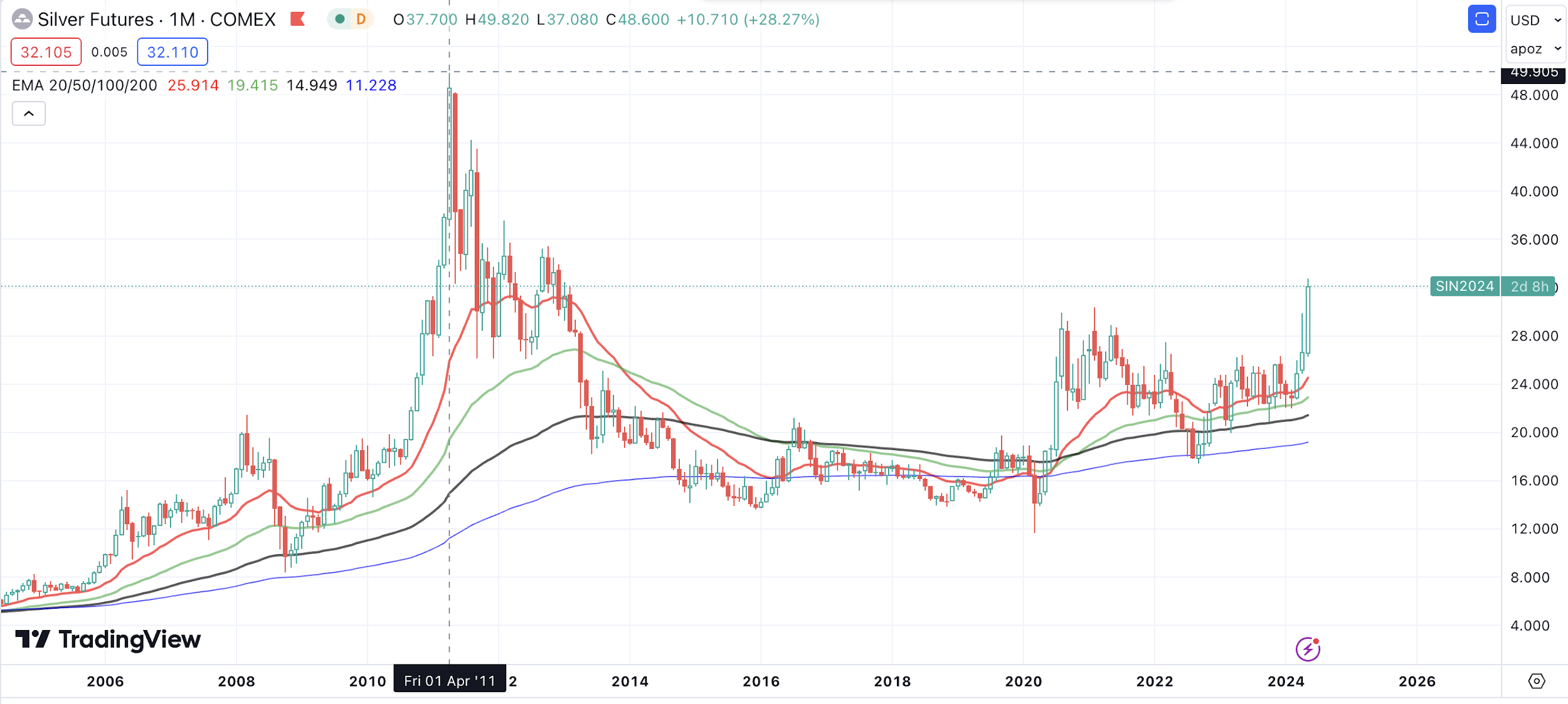
- Futures contracts: Agreements to buy or sell silver at a predetermined price on a future date, primarily traded on exchanges such as COMEX and ICE.
- Exchange‑traded funds (ETFs): Securities that track the price of silver, offering liquidity without the need for physical storage.
- Physical bullion and coins: Direct ownership of silver bars, rounds, and legal tender coins.
Each segment offers distinct advantages and challenges, ranging from price transparency to storage considerations. Traders often use futures and spot markets for short‑term speculation, while long‑term investors may prefer physical holdings or ETFs to avoid roll‑over costs associated with futures contracts.
3. Key Drivers Influencing Silver Prices
Several macro‑economic and sector‑specific factors affect silver pricing:
- Industrial demand: Economic expansion in technology, renewable energy, and healthcare sectors amplifies silver consumption, nudging prices upward.
- Investor sentiment: In times of geopolitical tension or inflationary pressures, investors gravitate toward precious metals as safe‑haven assets.
- Currency fluctuations: The U.S. dollar’s strength inversely influences silver, as a stronger dollar makes the metal more expensive for holders of other currencies.
- Supply dynamics: Mining output, especially from major producers like Mexico, Peru, and China, directly impacts market balance.
Understanding these drivers helps investors anticipate market moves and construct more resilient strategies.
4. Benefits of Adding Silver to Your Portfolio
Integrating silver into a diversified portfolio can provide several tangible benefits:
- Hedging inflation: Silver’s intrinsic value often rises with the cost of living, preserving purchasing power.
- Portfolio diversification: Its price trajectory typically exhibits low correlation with equities and bonds, reducing overall portfolio volatility.
- Liquidity: Spot and futures markets ensure rapid entry and exit, while ETFs and bullion are widely accepted in global financial centers.
- Potential for upside: Emerging technologies (e.g., electric vehicles, advanced photovoltaics) forecast a sustained increase in industrial usage, offering long‑term price appreciation.
5. Risks and Considerations When Trading Silver
No investment is without risk, and silver presents its own set of challenges:
- Price volatility: Due to its dual role, silver can experience sharp swings fueled by both industrial news and macro‑economic sentiment.
- Storage costs: Physical bullion requires secure storage, insurance, and periodic audits, which can erode returns.
- Market manipulation concerns: Concentrated holdings by large mining firms or speculation in futures markets can lead to price distortions.
- Opportunity cost: Compared to high‑growth equities, silver’s long‑term returns may be modest, especially during prolonged periods of low industrial demand.
Prospective traders should conduct thorough due diligence, consider their risk tolerance, and determine the optimal mix of physical and paper exposure.
6. The Rise of Digital Platforms in Silver Trading
Traditional pathways—brokerage desks, physical dealers, and exchange floors—once dominated silver transactions. However, the digital transformation has democratized access. Online platforms now deliver real‑time pricing, seamless order execution, and robust risk‑management tools at a fraction of historical costs. These platforms also cater to diverse user profiles, from institutional traders requiring algorithmic capabilities to retail investors seeking user‑friendly interfaces.
7. How Silverexch Online Redefines the Silver Exchange Experience
Among the leading digital facilitators, Silverexch Online stands out for its comprehensive suite of features tailored specifically to silver enthusiasts:
- Live market depth: Traders view real‑time bid/ask spreads across multiple exchanges, enabling informed decision‑making.
- Integrated wallet: Secure storage of both digital representations of silver (e‑coins) and physical assets, with multi‑factor authentication.
- Instant settlement: Unlike traditional futures, which may settle after days, the platform offers near‑instant settlement for spot trades.
- Education hub: A curated library of webinars, market analyses, and strategy guides helps users sharpen their trading acumen.
- Regulatory compliance: Adherence to KYC/AML standards ensures a trustworthy environment for global participants.
By consolidating these functionalities, Silverexch Online reduces friction, lowers transaction costs, and opens the silver market to a broader demographic.
8. Practical Strategies for Investing in Silver Through Digital Platforms
Whether you opt for direct spot purchases, futures contracts, or ETF exposure, a disciplined strategy enhances outcomes:
- Dollar‑cost averaging (DCA): Regularly invest a fixed amount irrespective of price fluctuations to mitigate timing risk.
- Technical analysis: Monitor key support/resistance levels, moving averages, and volume trends on the platform’s charting tools.
- Fundamental overlay: Pair technical signals with macro data, such as manufacturing PMI, renewable‑energy policy shifts, and mining output reports.
- Risk management: Employ stop‑loss orders and position sizing rules—commonly 1‑2% of capital per trade—to protect against adverse moves.
- Portfolio rebalancing: Periodically assess your allocation to silver relative to other asset classes; adjust to maintain desired risk exposure.
Digital environments like Silverexch Online simplify execution of these tactics with automated order types and real‑time alerts.
9. Future Outlook: Silver’s Role in a Changing World
Looking ahead, several trends suggest silver will continue to play a pivotal role:
- Renewable energy expansion: Global commitments to carbon‑neutral targets amplify demand for photovoltaic technologies, where silver remains a key conductor.
- Electrification of transport: Increasing use of silver in electric vehicle batteries and control systems points to long‑term industrial consumption growth.
- Monetary policy shifts: As central banks navigate inflation, precious metals, including silver, may regain prominence as fiscal hedges.
- Technological innovation: Emerging applications such as nano‑silver in medical devices and antimicrobial coatings could unlock new market segments.
These drivers, coupled with the accessibility offered by platforms like Silverexch Online, suggest a robust environment for both speculative and long‑term investors.
10. Conclusion: Navigating the Silver Exchange with Confidence
The Silver Exchange today is a sophisticated, multi‑layered marketplace that balances historic value with cutting‑edge industrial demand. By grasping the underlying market mechanics, recognizing key price drivers, and employing disciplined investment strategies, participants can harness silver’s unique risk‑reward profile. Digital platforms—particularly Silverexch Online—have democratized trade execution, offering tools that were once exclusive to institutional players. Whether you aim to hedge inflation, diversify assets, or capture growth from emerging technologies, a thoughtful approach to silver can enhance portfolio resilience and unlock new opportunities in the evolving global economy.